FIRE AND WATER
I saw these on the news. Pretty awesome.


 So you've finished chapter twelve after rewriting it several times over the past several days. You feel good about it. You leave your computer for a break and to do some other things around the house. Then, later, you stop, shake your head, go back to the computer and delete the last three pages.
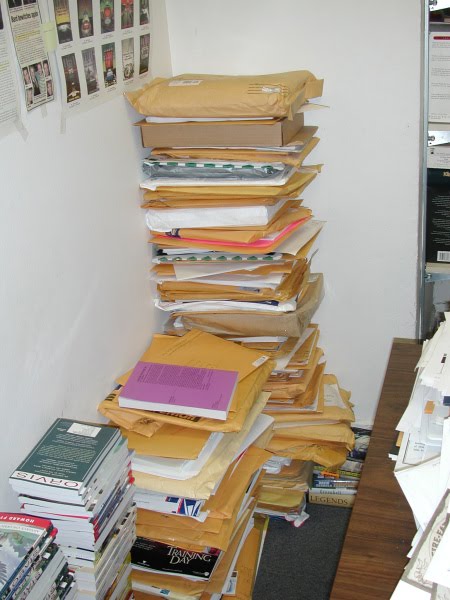
 There are several things an author can do to strain out good story ideas from his subconscious mind.
Read everything you can get your hands on: library books, books you love, books you hate, newspapers, encyclopedias, backs of cereal boxes, cookbooks, books that want to eat you.
 A writer should read while he is relaxed because that is when the stuff he's reading sinks most deeply into his mind; furthermore, reading should be his primary form of relaxation, not skiing or tap dancing or fishing or building model trains or watching television, but reading.
 No novelist can expect to reap harvest after harvest of fresh ideas from his subconscious if he is not constantly fertilizing his subconscious with reams of other writer’ fiction and nonfiction. With every novel you read, thousands of facts, characters, images, narrative techniques, and plot twists are stored in your subconscious, thereafter constantly interacting below the level of awareness. When bits of this input jell and surface, they are usually in an original arrangement that bears no resemblance whatsoever to the books from which they came.
Do you have a list of books from which you are reading?
 While my computer spent time in the computer hospital, I caught the crud and endured a few sleepless nights thinking about writing.
Every writer I know hopes their work will be the next blockbuster. I know writers who write with that goal solely in mind. I’ve fallen prey to that malady myself.
While feeling crummy, it occurred to me that trying to write the next blockbuster could be an inspiration killer. How about is? Worrying that the story will be interesting enough for a million people to want to read could paralyze the thinking process.
Most of the time it does. It did for me. I have two rejected manuscripts to testify to that misguided approach.
 How does one predict what the readers want next? Trying to guess could cause you to spend prodigious amount of time on a dud.
And who knows…..


